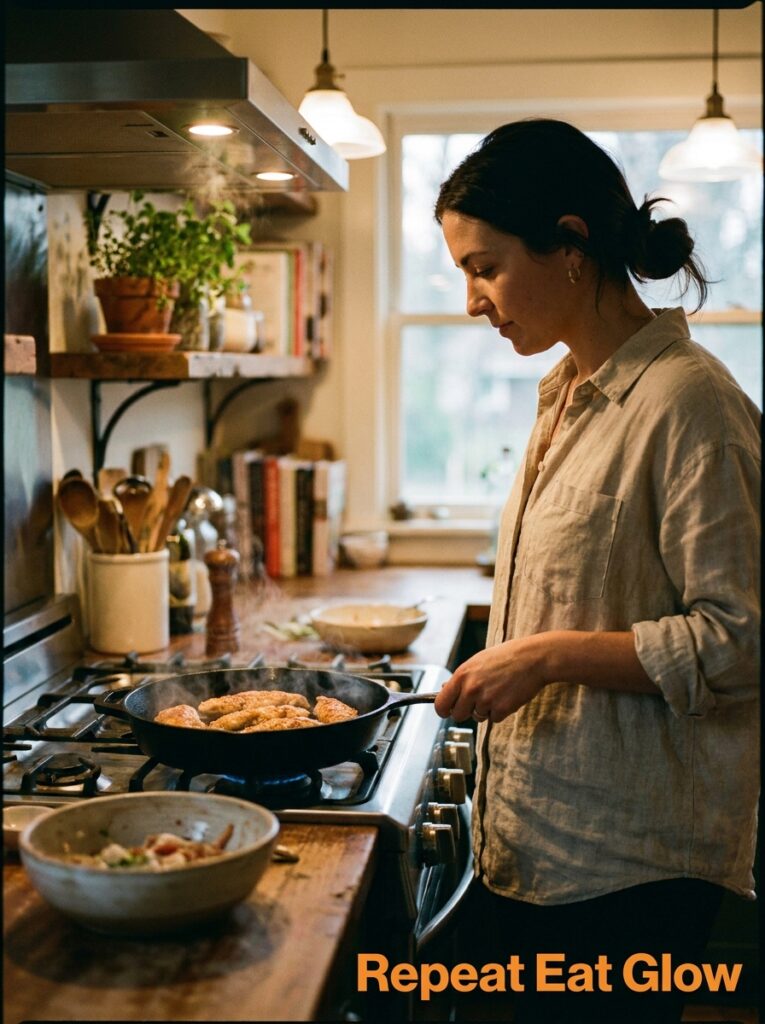
You grabbed a pack of chicken tenders at the store because you didn’t know what else to do, and now you’re staring at them thinking “okay, now what.” Same. But here’s the thing — chicken tenders might actually be the most underrated dinner protein you’ve got. Fast, forgiving, and weirdly versatile. Let me show you what I mean.
—
1. Why Chicken Tenders Hit Differently Than Chicken Breast (and Nobody Talks About It)
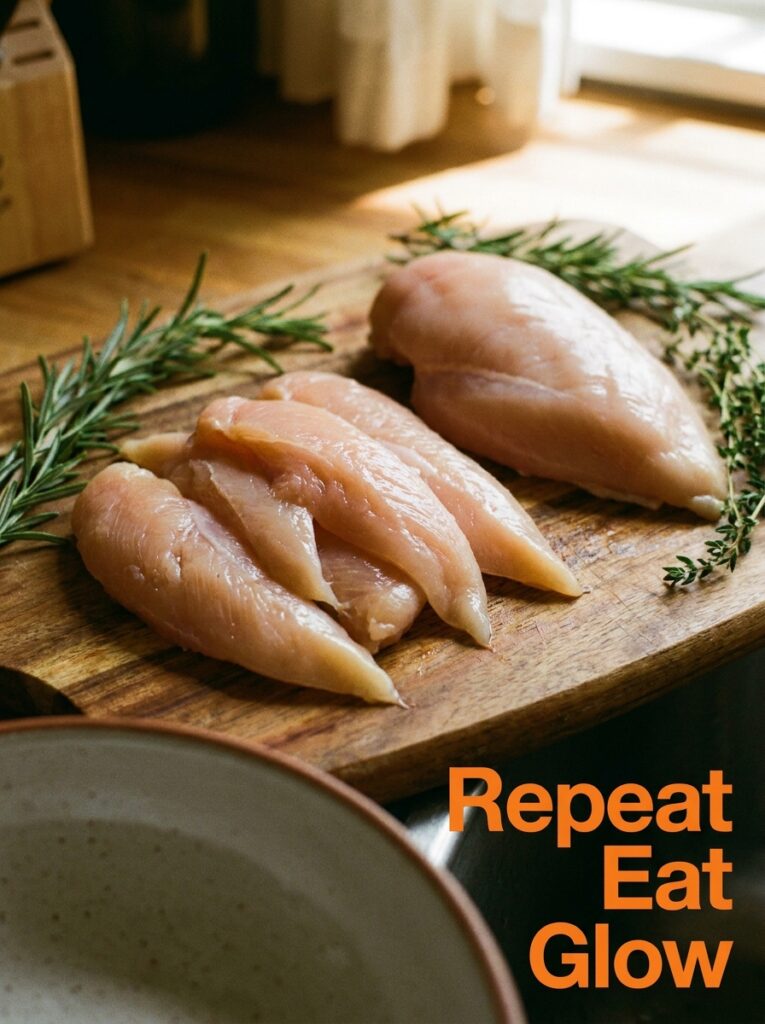
Okay so first — can we just acknowledge that chicken tenders get a bad reputation? People think they’re a kid food. A lazy food. Something you only order when you can’t decide. And I get it. But when you actually cook with them intentionally? They’re kind of incredible.
Tenders are the tenderloin strip of the chicken breast, and they’re naturally more tender than the breast itself — which is kind of the whole point, it’s literally in the name. They cook in about 6-8 minutes on the stovetop. They don’t dry out as easily. They absorb marinades FAST because they’re thinner. And they’re way cheaper per pound than boneless skinless breasts at most stores.
I’ve made dinner with chicken tenders on some of the most chaotic weeknights of my life — we’re talking 6pm, one pan, no plan — and they’ve genuinely saved me every single time. Not because I’m some genius cook, but because the ingredient itself is just… easy. Forgiving. Kind, almost.
So if you’ve been sleeping on them, this is your sign to wake up.
“Chicken tenders don’t need to be a backup plan. They can be the whole plan.”
—
2. The Honey Garlic Glaze That Takes Exactly 15 Minutes and Tastes Like You Tried
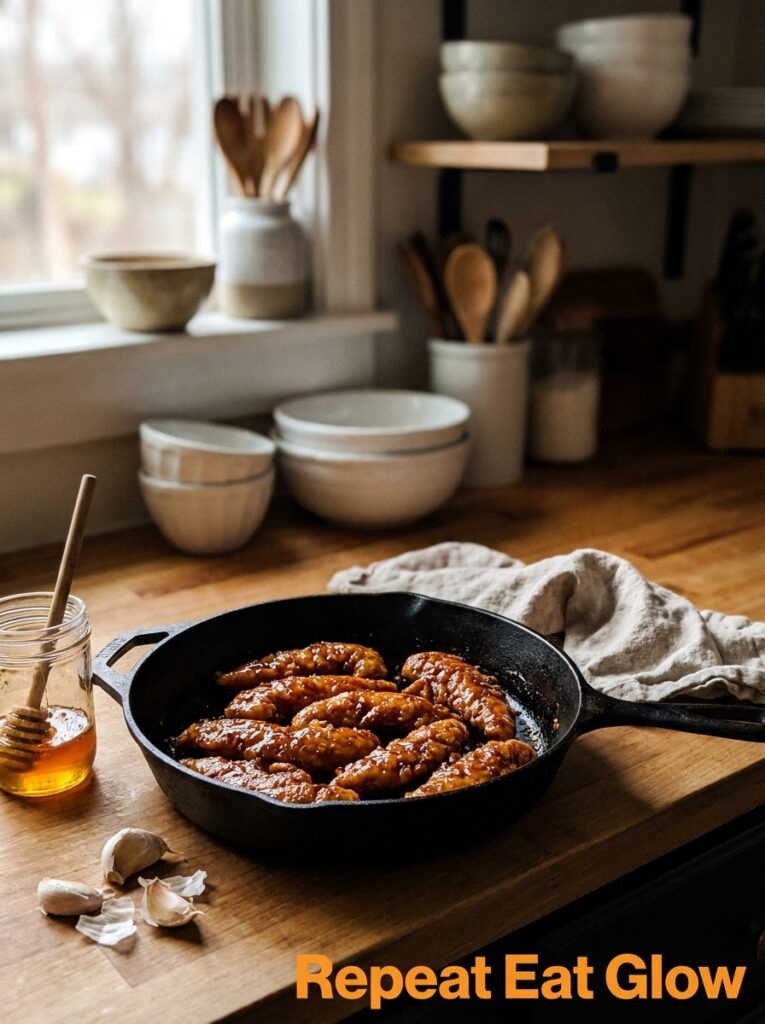
This one’s embarrassingly simple and I say that with love. You heat a little oil in a pan, season your tenders with salt, pepper, and garlic powder, cook them about 3-4 minutes per side until golden, and then pour in a mixture of honey, soy sauce, minced garlic, and a tiny bit of apple cider vinegar. Let it bubble and coat everything. That’s it. That’s dinner.
The smell when the honey hits the hot pan is actually absurd. Sweet, savory, a little caramel-y, and the garlic comes through in this way that feels fancy but took zero effort. Serve it over white rice with whatever vegetable you have — broccoli, sugar snap peas, even just frozen edamame — and you’ve got a dinner that tastes like you planned it.
The vinegar is important, by the way. Don’t skip it. It cuts through the sweetness just enough so the whole thing doesn’t taste like dessert. A teaspoon is all you need.
For UK readers: this works equally well with marmite stirred into the glaze instead of soy sauce, though you’ll want to use less of it. Just a small knifetip. Wild, but it works.
—
3. The Crispy Parmesan Crust That’s Better Than Any Frozen Nugget You’ve Ever Had
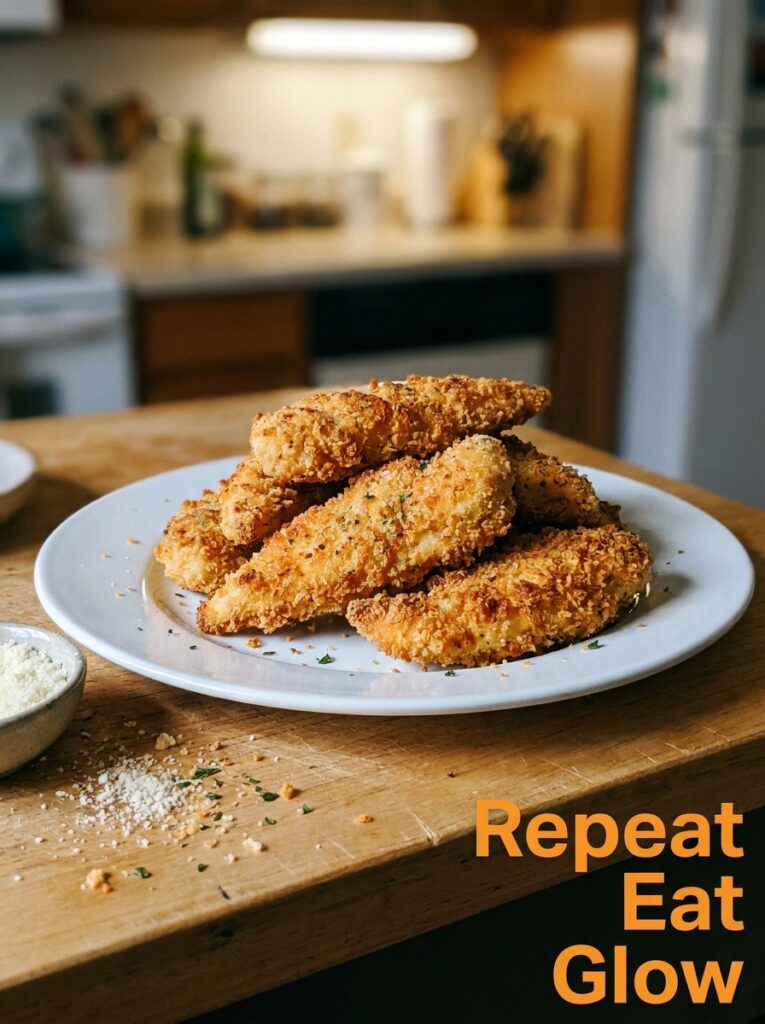
Here’s my go-to when I want something that feels more like a treat. Mix together breadcrumbs (panko if you have it, regular if you don’t), finely grated parmesan, a pinch of smoked paprika, garlic powder, and a little dried oregano. Dip your tenders in beaten egg, press them into the breadcrumb mix until they’re thoroughly coated, and bake at 425°F (220°C) for 18-20 minutes, flipping once halfway through.
They come out genuinely CRISPY. Like, the kind of crispy where you can hear it when you bite in. The parmesan melts into the breadcrumbs and creates this golden, slightly salty crust that’s way more interesting than plain fried chicken.
Dip them in a garlic aioli (mayo, lemon juice, garlic — done) or just marinara sauce if you’re keeping it simple. My kids ask for these on a weekly basis and I don’t even try to resist. Some battles aren’t worth fighting.
Side note — if you’re in the UK and using dried breadcrumbs instead of panko, just toast them in the oven for a few minutes first to dry them out a bit more. Makes a real difference to the crunch.
—
4. Build-Your-Own Tender Wraps: The Dinner That Pleases Everyone at the Table
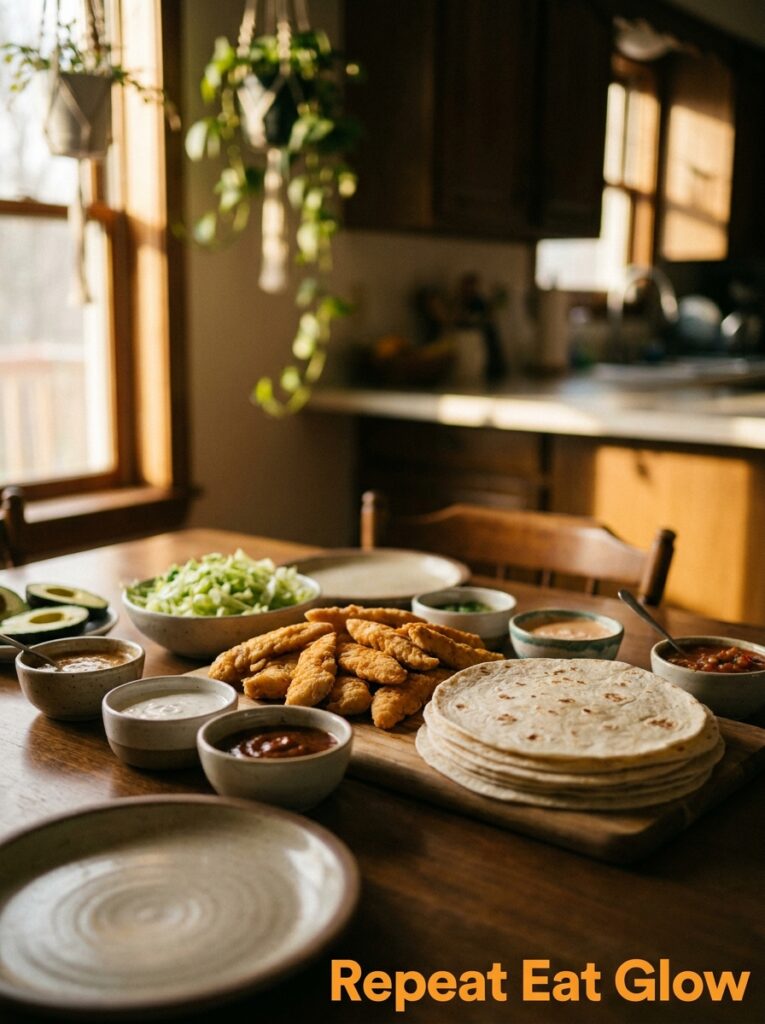
Not gonna lie, this one’s saved my sanity more than once. You cook a big batch of tenders — I usually do a simple seasoning with cumin, chili powder, and a little smoked paprika — and then you just lay out a whole spread. Flour tortillas, shredded lettuce, sliced avocado, tomatoes, sour cream, salsa, maybe some pickled jalapeños if people are into it.
Everyone builds their own. Nobody complains. Somebody always piles on too much and their wrap falls apart, which is kind of the whole point.
This works for picky eaters, for mixed households, for when you have a guest who claims to have dietary restrictions but also just ate four cookies. The tenders themselves are the anchor, and everything else is just options. You’re not a short-order cook — you’re a person who set out a nice spread and let people sort themselves out.
“The secret to a stress-free dinner isn’t a perfect recipe. It’s a spread that lets everyone do what they want.”
The cumin-chili tenders also work cold in a salad the next day, which honestly might be the better meal. Slice them over romaine with black beans, corn, cherry tomatoes, and a cilantro-lime dressing. Lunch sorted.
—
5. The Trick to Getting a Perfect Sear Every Single Time (Without Burning Anything)
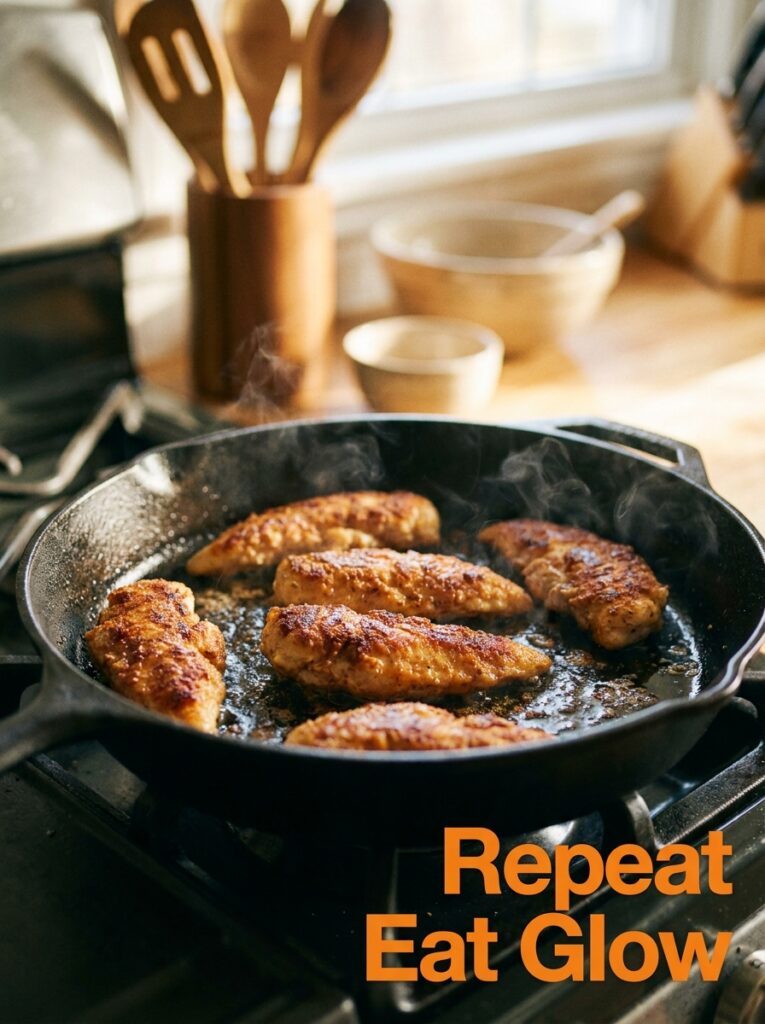
Right, so this is where a lot of people go wrong with tenders specifically. Because they’re thin, people panic that they’re not cooking through and they press them down with a spatula or keep flipping them. Don’t do that. You’ll press all the moisture out and end up with sad, flat tenders.
Get your pan hot — properly hot, like let it sit on medium-high for a full two minutes before you add oil. Add the oil, let it shimmer, THEN add the tenders. Leave them alone for at least 3-4 minutes. Resist the urge to move them. When they release easily from the pan without sticking, they’re ready to flip. If they’re sticking, they need another minute.
That’s the whole trick. Hot pan, patience, don’t press.
Cast iron is ideal if you have it. But a stainless steel pan is great too. Non-stick works in a pinch but you won’t get quite as much color on the outside. Color is flavor, as every cooking show ever has told you, and they’re right.
—
6. Butter Chicken Tenders: The Fusion Nobody Asked For But Everyone Needs
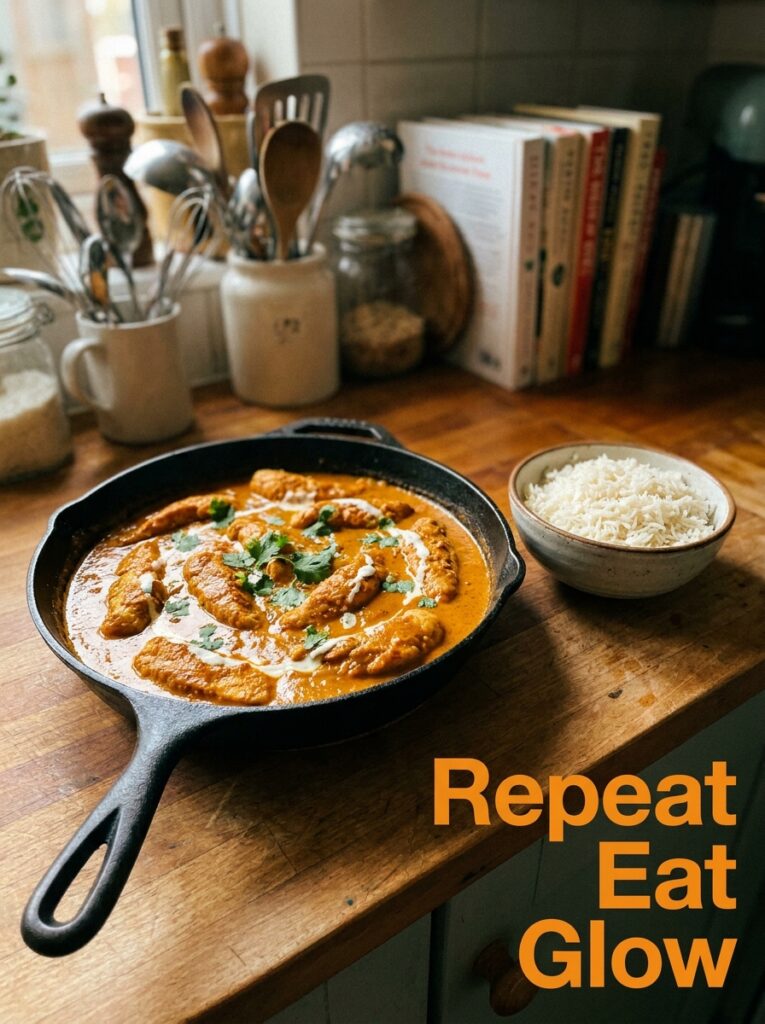
Okay hear me out. Classic butter chicken sauce — the rich, creamy, tomato-based one — ladled over crispy pan-seared chicken tenders instead of chunks of marinated chicken. Serve it over basmati rice with some warm naan.
I know. It sounds weird. But the tenders hold their shape better than breast chunks, and the sauce coats the outside of each tender individually, so you get this incredible sauce-to-chicken ratio in every single bite.
The shortcut I use (zero shame): a good-quality store-bought butter chicken sauce. Patak’s is widely available in both the US and UK, it’s genuinely good, and this whole dinner takes 20 minutes. You’re just making the tenders in a separate pan, letting the sauce warm, and combining at the end.
If you want to make the sauce from scratch, that’s a whole different article. But on a Tuesday night? Open the jar. Pour it over the crispy tenders. Eat it. Feel no guilt.
—
7. The Cold Weather Tender: Baked in Mushroom Cream Sauce With Thyme
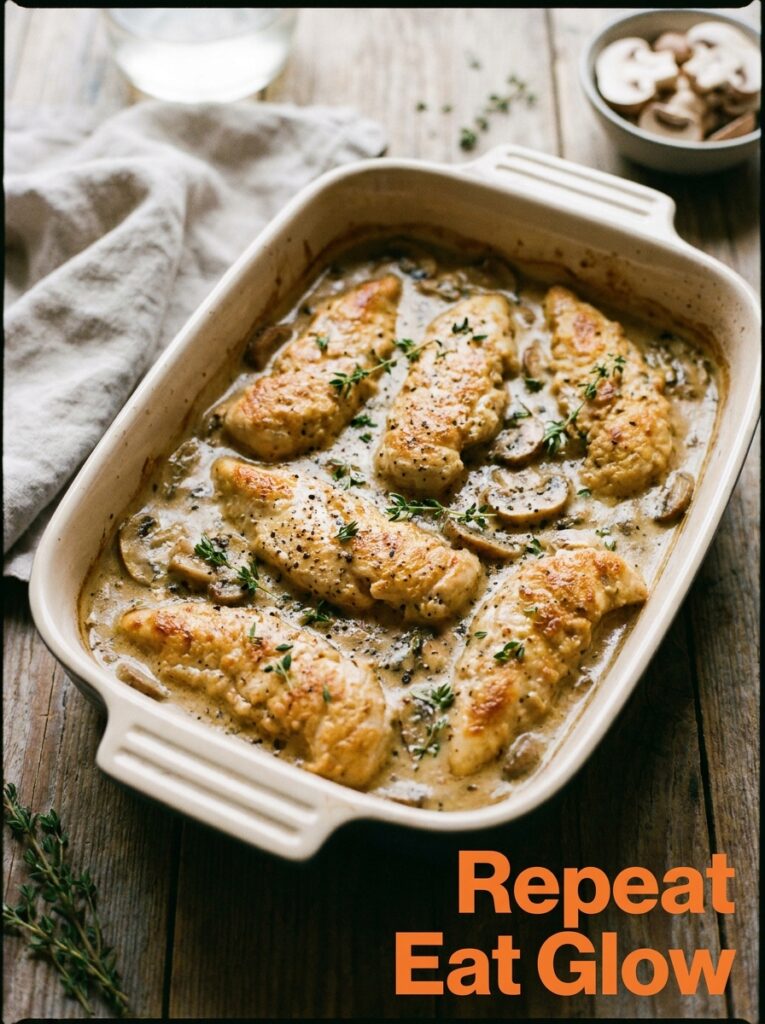
This one’s different in energy from everything else on this list. Slower. Richer. More suited to October than July.
You nestle uncooked tenders into a baking dish, pour over a sauce made from cream of mushroom soup (or homemade if you’re that person), a splash of white wine or chicken broth, a small pile of sliced mushrooms, and fresh thyme. Cover with foil and bake at 375°F (190°C) for 25-30 minutes. Then uncover for the last 5 minutes so the top gets a little golden.
It smells like a proper home-cooked meal. Like your house actually cooks, you know? Serve it over egg noodles or mashed potatoes and it’s the kind of dinner you want to eat in a chunky knit sweater with something good on the telly.
“This is not a weeknight recipe. This is a weather recipe. Make it when it’s grey outside and you need something warm.”
—
8. The Lemon-Herb Tender That Works on a Hot Summer Night
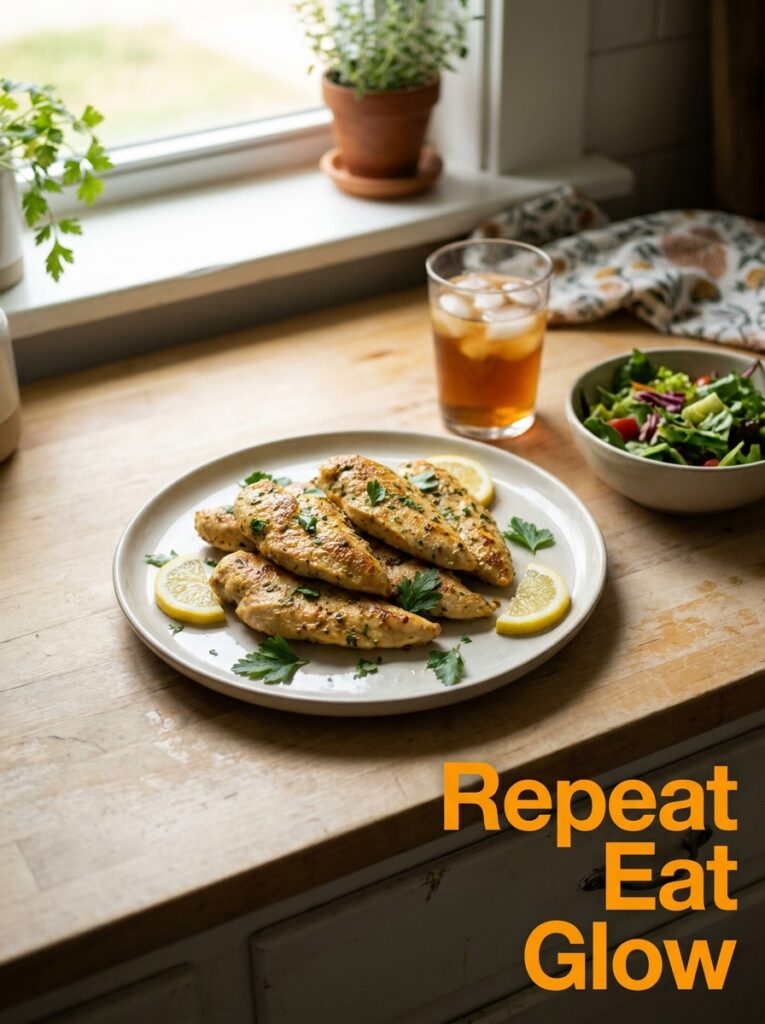
Opposite end of the spectrum. Light, fresh, barely a recipe.
Marinate tenders in olive oil, lemon zest, lemon juice, minced garlic, dried oregano, and a good pinch of salt and pepper. Even 20 minutes of marinating makes a difference. Grill them (or use a griddle pan inside) for about 3-4 minutes per side.
The lemon caramelizes slightly on the outside. The oregano gets a little toasty. It’s bright and clean without being boring, and it works just as well on a salad as it does next to some roasted new potatoes.
This is the one I make when it’s warm outside and I don’t want anything heavy. It’s also the one I make when I’m trying to convince myself I eat well because it genuinely feels virtuous, and sometimes that matters.
—
9. The Dipping Sauce Situation (Because the Sauce Is Half the Meal, Let’s Be Honest)
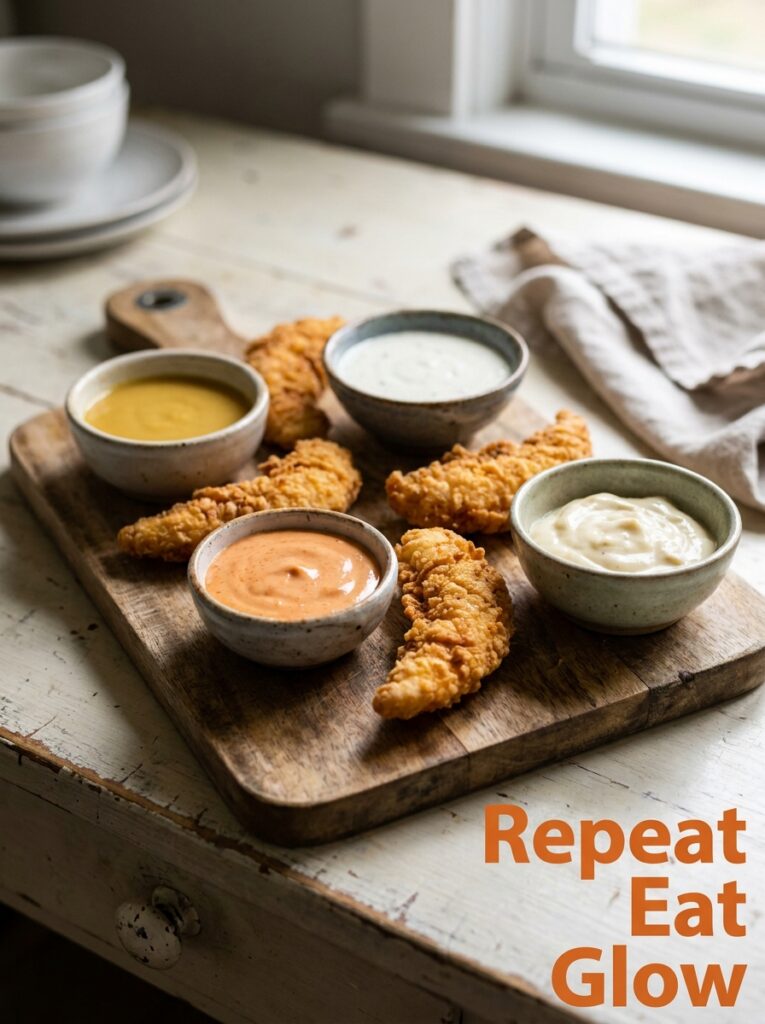
People underestimate dipping sauces and it’s kind of a tragedy. A mediocre tender with a great sauce beats a perfect tender with nothing on the side, every single time.
My current rotation:
Buffalo ranch — mix store-bought ranch with hot sauce and a tiny bit of honey. That’s it. It’s addictive.
Honey mustard from scratch — 2 tablespoons Dijon, 1 tablespoon honey, 1 tablespoon mayo, squeeze of lemon. Done in 30 seconds, tastes infinitely better than the bottle.
Sriracha mayo — half sriracha, half mayo, little bit of lime juice. Creamy heat.
Garlic yogurt — Greek yogurt, minced garlic, lemon, salt, a little dill if you have it. This one’s actually the most underrated of the bunch and UK readers in particular seem to love it because it’s similar to tzatziki.
Make two. Put them both out. You’ll be glad you did.
—
10. Sheet Pan Tender Dinner: The One Pan, No Stress, Actual Vegetable Situation
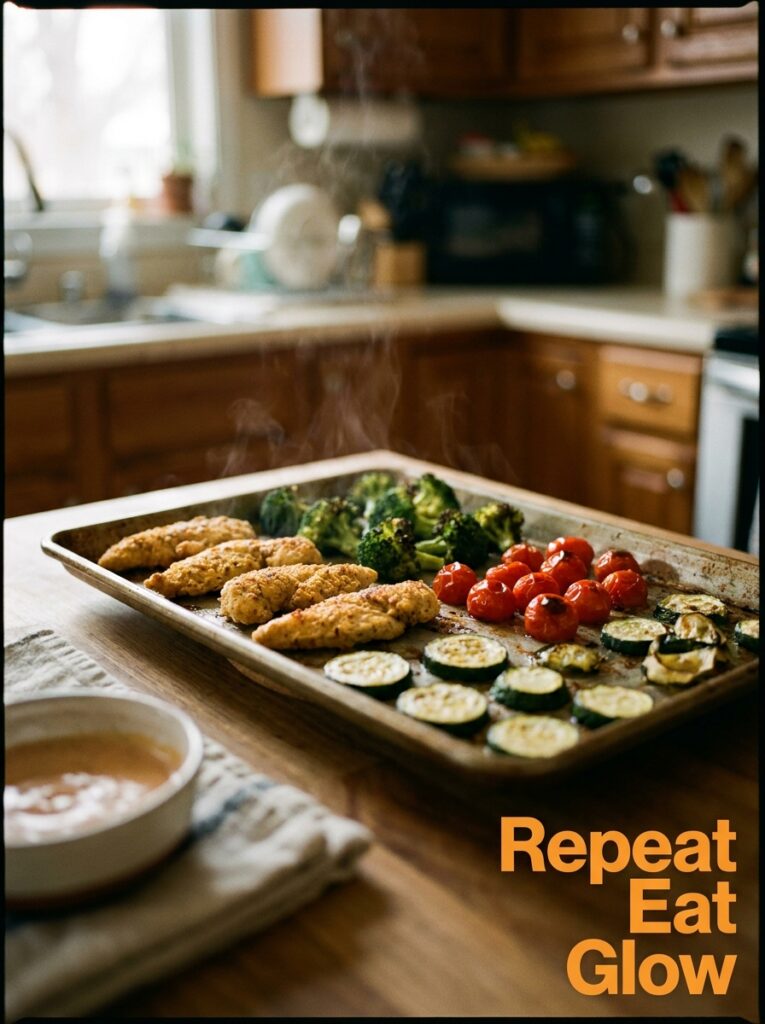
You need a large sheet pan, one pound of tenders, and whatever vegetables are in your fridge right now. I mean it. Whatever’s there.
Broccoli, bell peppers, zucchini, red onion, cherry tomatoes, asparagus — they all work. Toss everything with olive oil, salt, pepper, and whatever seasoning you feel like (Italian herbs, smoked paprika, everything bagel seasoning — no wrong answer). Spread in a single layer. Tenders in the middle, veg around the edges because they need more time.
Roast at 425°F (220°C) for about 20-22 minutes. Check the tenders at 18 minutes — they should hit 165°F internally if you’ve got a thermometer, or just be very clearly cooked through with no pink.
One pan. Minimal washing up. And because everything roasts together, the veg picks up all the flavour from the chicken juices. It’s actually quite good and requires almost no thought, which is sometimes exactly what dinner needs to be.
—
11. What to Do With Leftover Tenders the Next Day (That Isn’t Just Reheating Them)
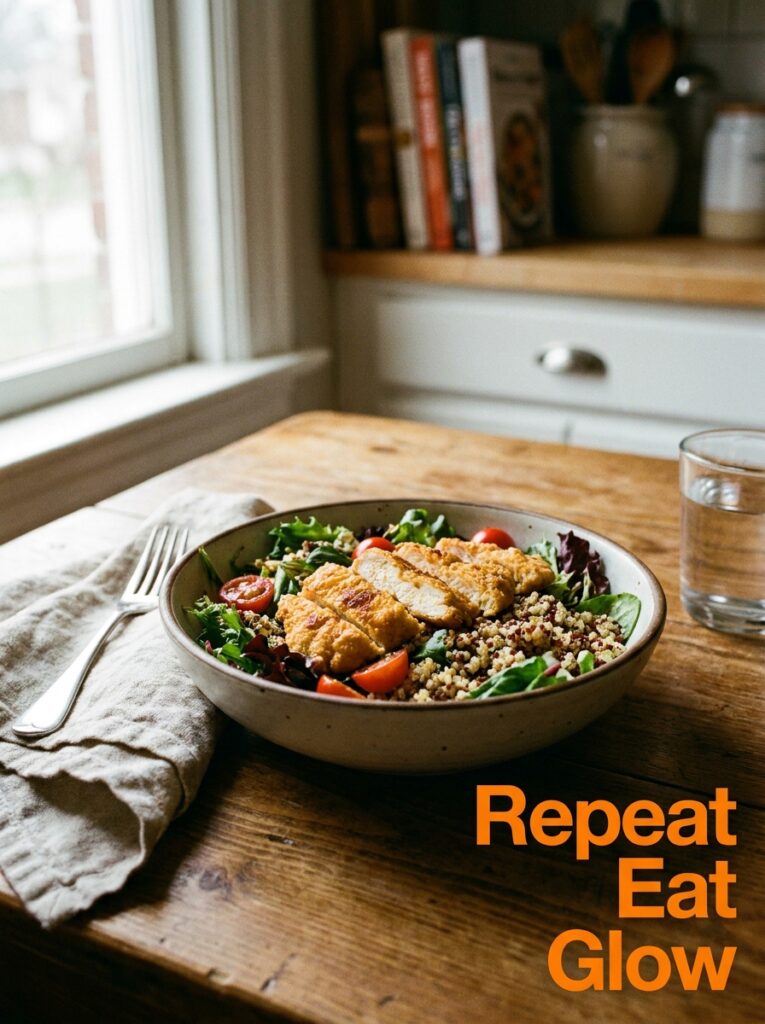
Slice them cold and toss them into a grain bowl — quinoa, farro, whatever cooked grain you have — with some roasted veg, avocado, and a tahini dressing. Genuinely restaurant-quality lunch.
Or shred them. Yes, shred them. They shred surprisingly well even when cold and cooked through. Toss the shredded chicken with a little BBQ sauce or buffalo sauce and stuff it into a toasted roll. Instant pulled chicken sandwich. Add coleslaw if you’ve got it.
Or chop them and fold them into scrambled eggs the next morning with whatever leftover cheese is in your fridge. This sounds weird and it’s actually one of my favorite leftover moves.
The point is — tenders aren’t just a dinner ingredient. They’re a next-day ingredient too. Cook a bigger batch on purpose. Future you will be genuinely grateful.
—
12. The Simple Weeknight Formula That Never Actually Gets Old
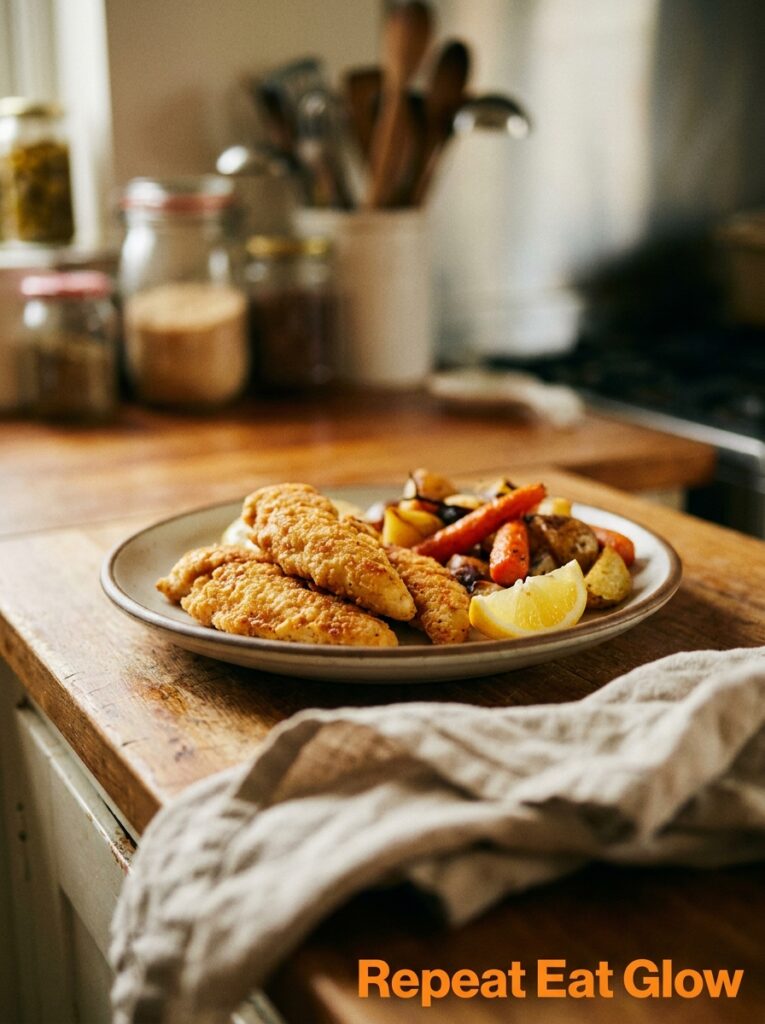
Here’s what I keep coming back to after years of cooking chicken tenders in every possible way: the formula isn’t complicated.
A good seasoning on the tender. A proper sear or a hot oven. One sauce, whether it’s drizzled on or served on the side. One starch. One vegetable. Done.
The seasoning changes. The sauce changes. The starch changes. But the approach is always the same, and it reliably produces a dinner that feels worth eating. Not Instagram-worthy every time. Not show-stopping. Just actually good, on a random weeknight, with whatever you had in the house.
That’s what these recipes are for. Not to impress anyone. Just to get dinner on the table and actually enjoy it.
—
❓ FAQ
Q: How do I know when chicken tenders are fully cooked? A: The safest way is an instant-read thermometer — you’re looking for 165°F (74°C) in the thickest part. If you don’t have one, cut the thickest tender in half; it should be completely white with no translucent or pink areas, and the juices should run clear.
Q: Can I use frozen chicken tenders straight from the freezer? A: You can, but you’ll get much better results if you thaw them first, even just a quick cold-water thaw in the bag for 20-30 minutes. Cooking from frozen is totally safe but tends to make the outside dry out before the inside cooks through.
Q: What’s the best way to reheat chicken tenders without making them rubbery? A: Oven or air fryer, always. 375°F for about 8-10 minutes. The microwave works in a pinch but it genuinely destroys the texture — even a great tender becomes sad and rubbery in the microwave. If you’re short on time, a dry skillet on medium heat for a few minutes per side is the next best option.
—
💭 Final Thoughts

Chicken tenders deserve to be on your regular dinner rotation — not your “I give up” rotation. There’s a version here for every kind of night, from the ones where you’ve got energy and want something crispy and satisfying to the ones where you just need something warm and edible and ready before anyone gets hangry.
The best thing about cooking with them is that they’re genuinely hard to ruin. A little fat, a little heat, decent seasoning, and something on the side — that’s really all it takes.
So which one are you making first tonight?
